Meet the Developmental Computational Psychiatry Team

Tobias Hauser 

Principal Investigator | Tübingen & UCL
Tobias is a full Professor of Computational Psychiatry at the University of Tübingen and an Honoray Professor at University College London (UCL). As the head of the Developmental Computational Psychiatry group, he wants to understand how neurocognitive mechanisms can go awry and lead to mental health problems.

Susan Fischer
Research coordinator | Tübingen
Susan runs both the DevComPsy lab and Peter Dayan’s group at the Max Planck Institute for Biological Cybernetics and the University of Tübingen administratively, focussing on people, finance, operations, grants and strategy. She has previously worked in different research and higher education institutions both in Germany and United Kingdom (Max Planck UCL Centre, London; Gatsby Computational Neuroscience Unit, London; MRC Centre for Developmental Neurobiology at King’s College London; German Center for Neurodegenerative Diseases, Dresden) and has gained a vast knowledge and invaluable experience of the workings of large undertakings. Susan is passionate about new work concepts and diversity, equity and inclusion and is heavily involved in the coordination of the CaCTüS Internship programme, the Soapbox Science Tübingen initiative and a campus-wide Diversity Seminar Series.
Laura Kübler
Research coordinator | Tübingen
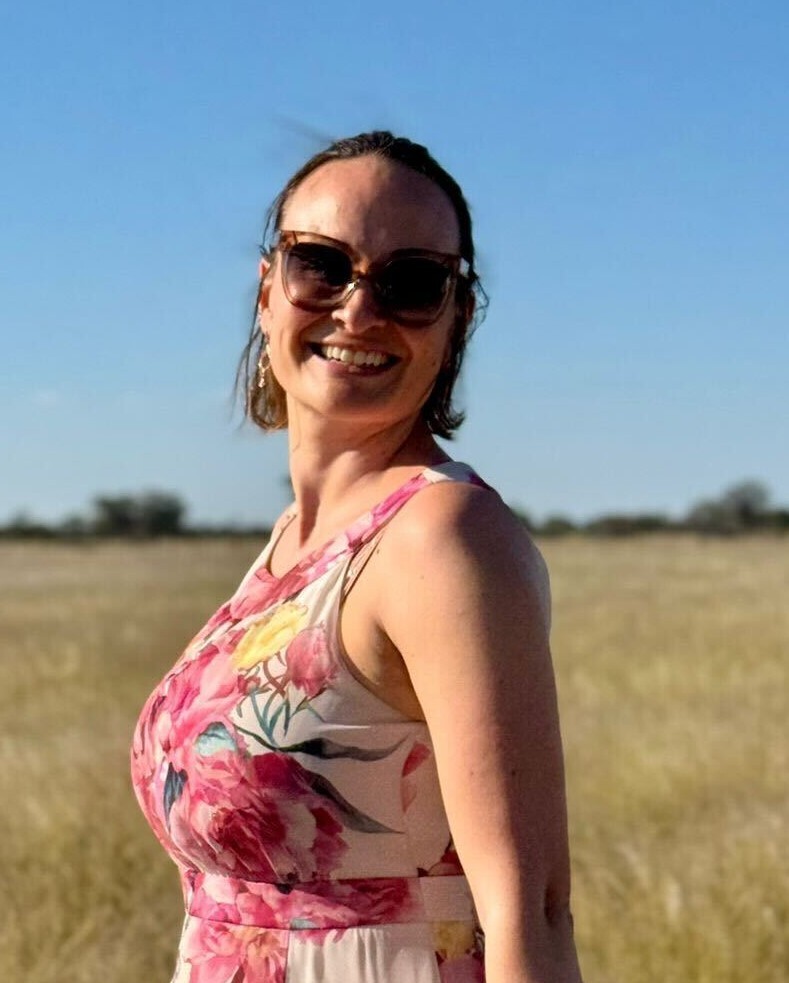
Laura is the Research Coordinator for our new Wellcome Trust grant, overseeing collaboration across national and international sites: Hamburg, Barcelona, India, the Max Planck Institute, and the DevComPsy LAB. In this role, she ensures smooth communication, alignment of research activities, and effective project management across all partners. She holds a PhD in Neuroimaging and brings strong expertise in brain imaging methods and interdisciplinary research coordination. Coming from a preclinical background, Laura is particularly passionate about the translational aspect of the project and the opportunity to bridge basic research with clinical application. She greatly enjoys working with people and values the collaborative nature of international research. She is especially inspired by being part of a project that actively involves lived experience representatives, ensuring that research is informed by and connected to real-world perspectives.

Tricia Seow

Postdoc | UCL
Tricia’s research interests lie in understanding the role of decision making and metacognition in compulsivity, a subcomponent of obsessive-compulsive disorder (OCD) that has transdiagnostic relevance. In the DCP, she will further investigate neurocognitive mechanisms that predict the success or failure of standardised cognitive-behavioural therapy (CBT) for OCD, with the ultimate goal of understanding mechanisms underlying OCD and improving CBT outcomes.
Alisa Loosen
Postdoc | Yale
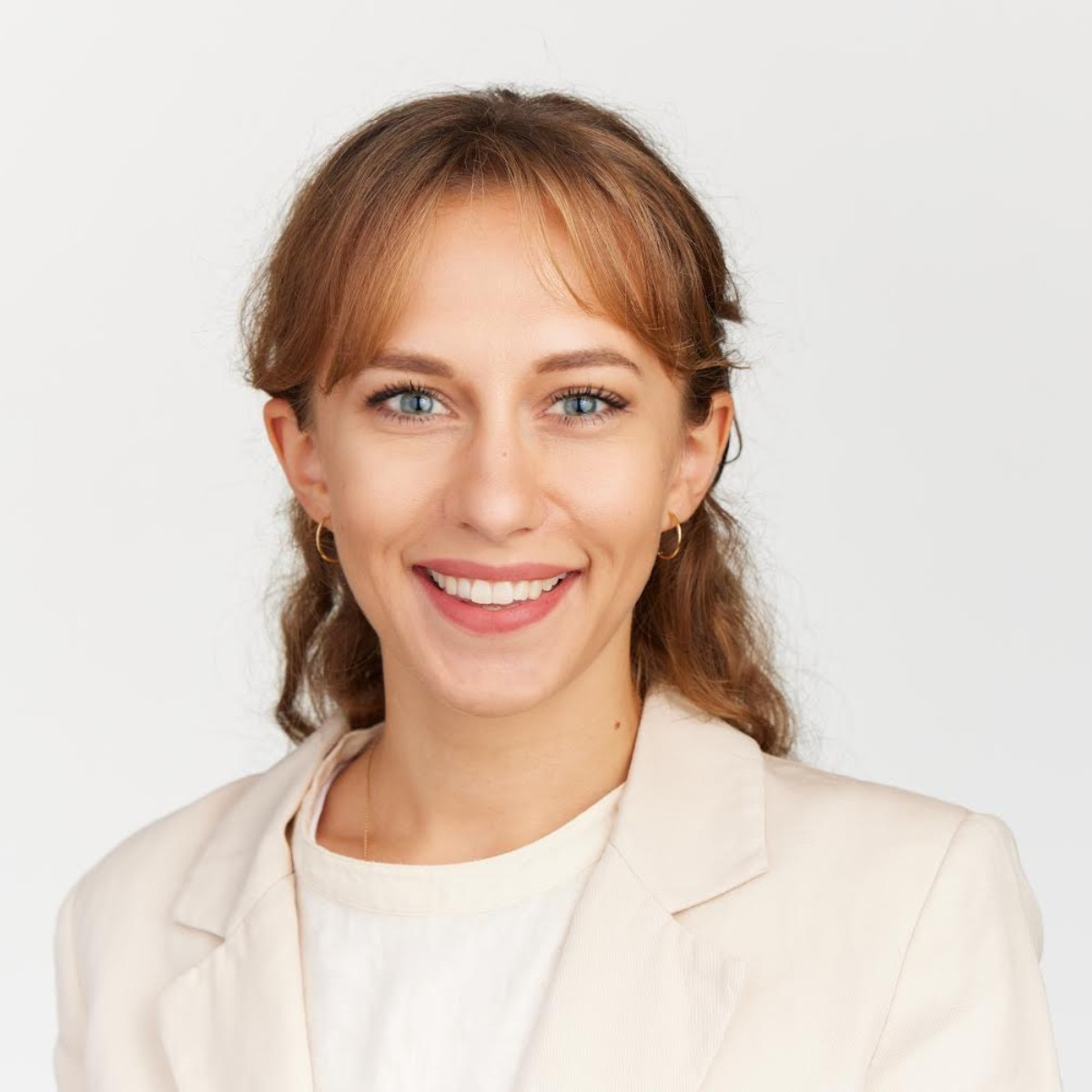
Alisa is a postdoctoral fellow at the Developmental Computational Psychiatry Lab and the Computational Psychiatry Centre at Mount Sinai NYC (Gu Lab). She completed her PhD in computational psychiatry at UCL (supervised by Tobias) as part of the Comp2Psych Programme. Her doctoral research focused on learning and decision-making alterations in individuals with obsessive-compulsive disorder (OCD). Alisa's current postdoctoral research investigates the neurocomputational mechanisms of reward and effort learning, utilizing intracranial recordings in humans.

Larisa Dinu
PhD student | KCL
Larisa is a rotation PhD student on the LIDo DTP. She has a BSc in Psychology and MSc in Psychiatric Research. Larisa is interested in the early detection and prevention of mental health disorders, heterogeneity and dynamic cognitive changes across the lifespan. In her rotation, she works on developing an ecological sampling method for understanding variability in impulsivity and compulsivity in young people.
Claudius Gruner
MD student | Tübingen
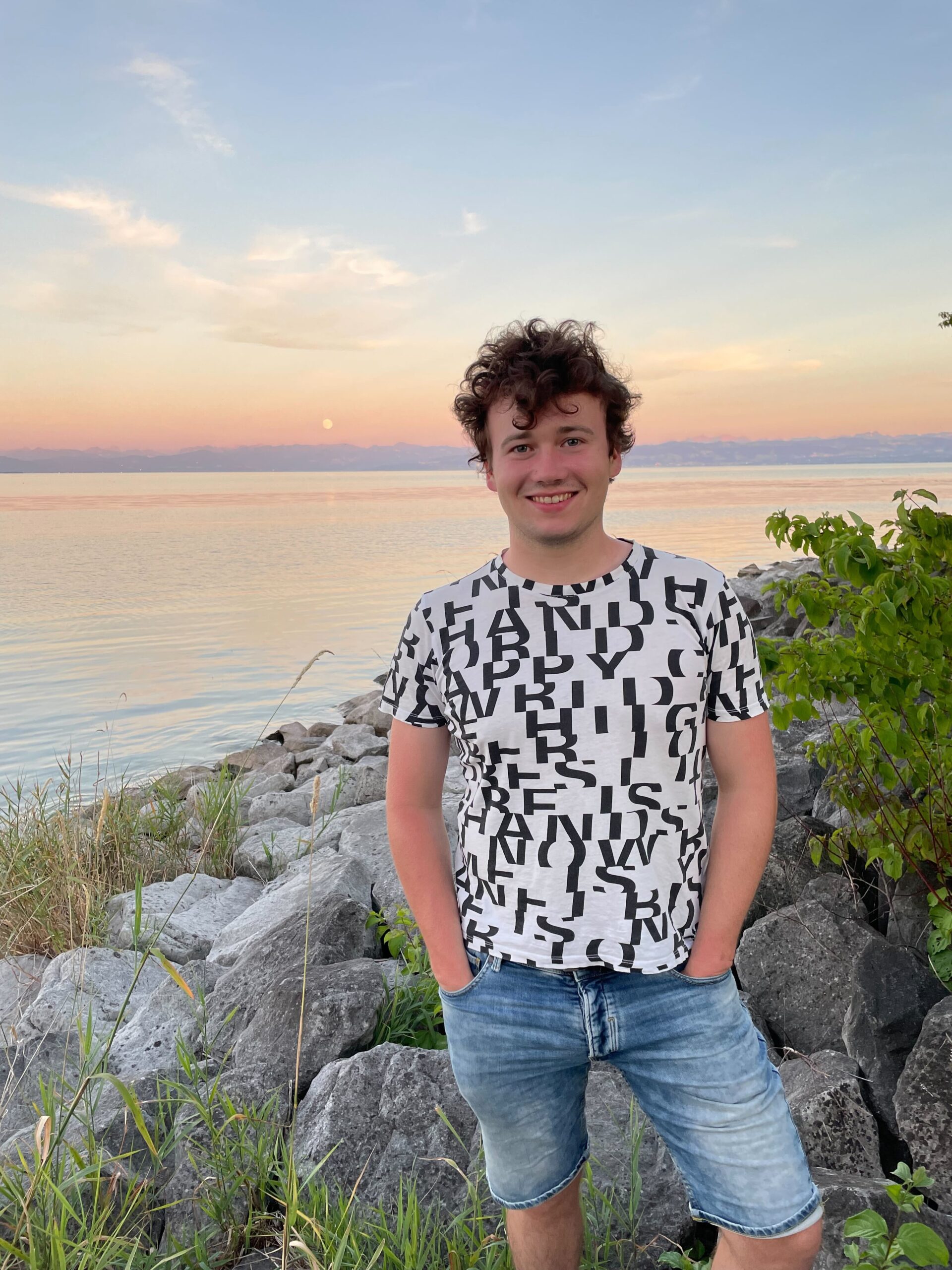
Claudius is a medical and cognitive science student at the University of Tuebingen. He is interested in how decision making, memory, language, emotion and motivation work and work together to enable human cognition. In the DCP he is investigating how depression alters decision making in adolescents using computational modelling.

Xin Sui
PhD student | Tübingen
Xin is a PhD student at the International Max Planck Research School: the mechanisms of mental function and dysfunction (IMPRS-MMFD), co-supervised by Tobias and Peter Dayan. She has a BSc in Mathematics and Economics from the College of William and Mary and an MSc in Neural Information Processing from the University of Tübingen. She's interested in the computational mechanisms of transdiagnostic symptoms associated with anxiety and depression (e.g. rumination and worry), and more broadly prevention and treatment of mental health conditions. Her current project focuses on modeling optimal risk-sensitive exploration.
Kenza Kadri
Postdoc | Tübingen
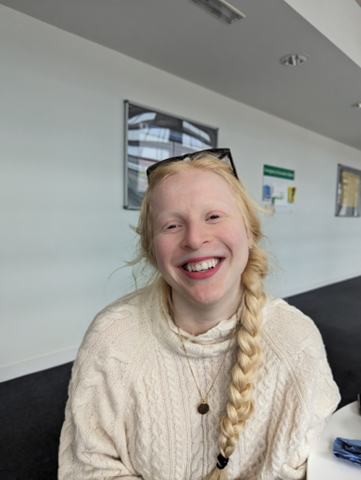
Kenza’s research interests span decision neurosciences, psychology and modelling. In the DCP, she will investigate how endogenous dopamine fluctuation impacts decision-making. She previously discussed the link between the connectivity profile of the striatum and impulsivity in Humans and how it relates to Credit Assignment variability (under the supervision of Dr Elsa Fouragnan, University of Plymouth) and how impulsivity.
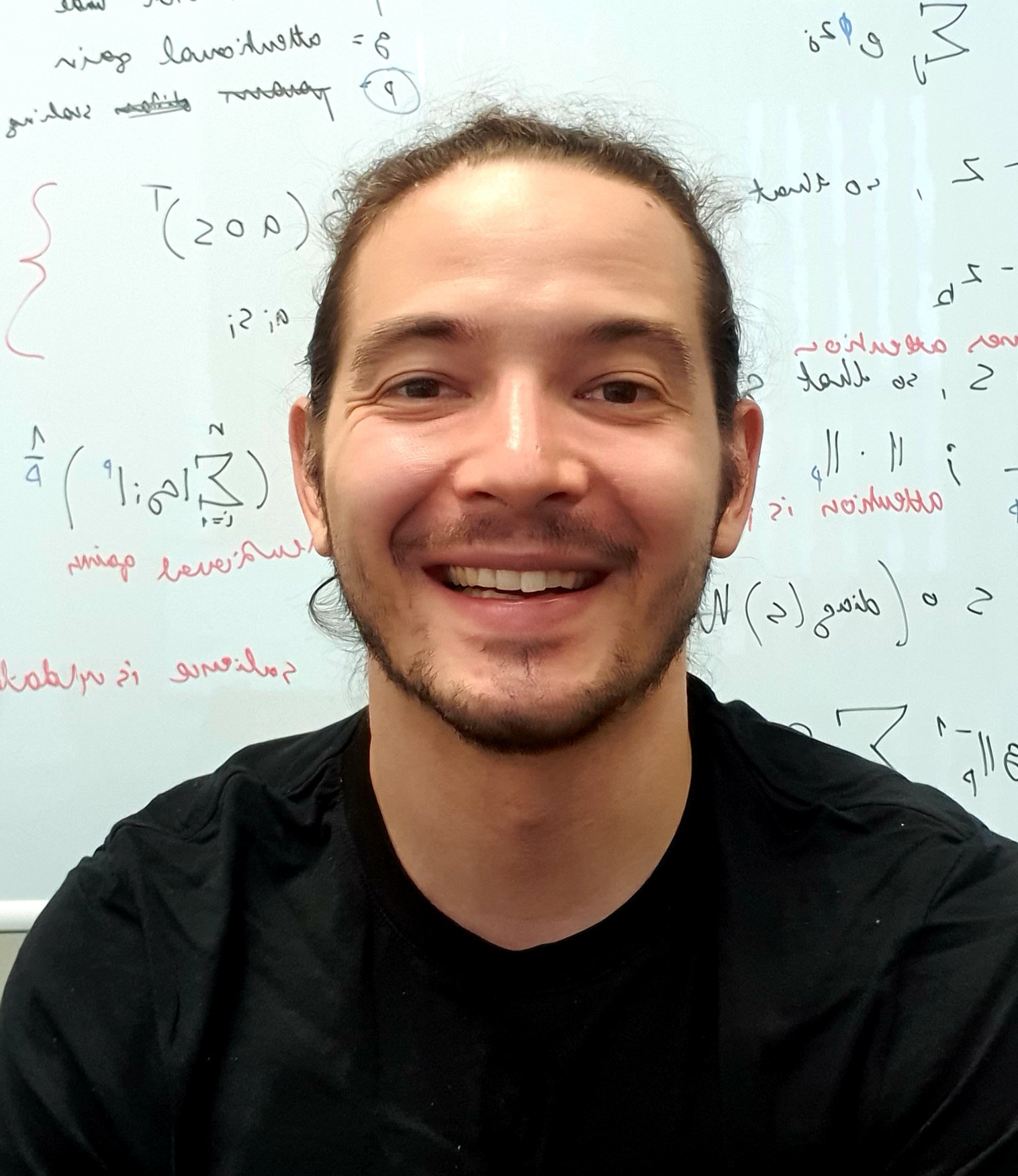
Lenard Dome
Postdoc | Tübingen
Lenard is currently developing a computational modelling toolbox to help model comparisons on large data sets in developmental computational psychiatry. Lenard's primary research focuses on modelling human heterogeneity and creating new and innovative frameworks for large-scale relative model comparisons. In addition, he has done effect-centric research on when intelligent systems fail with a particular focus on the inverse base-rate effect - an irrational effect of non-uniform generalization of learned experience.
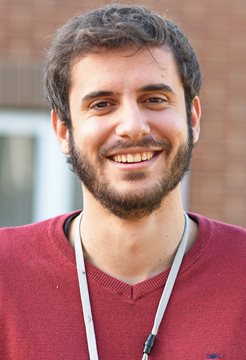
George Tertikas
Postdoc | UCL
George has a medical degree and a research background on exploratory behaviour. His current research interests revolves around anxiety-related disorders (e.g., obsessive-compulsive disorder (OCD)) and how they influence decision-making as evaluated through computational modelling. In the DPC, he will be using neuroimaging to understand the neural signatures of learning in the brain.

Maciej Szul
Postdoc | Tübingen
Maciej's scientific interests lie broadly on the intersection of motor control, decision-making, computational modelling (behaviour and neuronal signal), magnetoencephalography (MEG) and advanced signal processing; in particular: non-sinusoidal signal analysis (e.g. beta burst waveforms), laminar source reconstruction with SQUID-MEG, and rhythmicity analysis. In DCP, he is primarily focused on a project concerning pre-stimulus origins of variability in post-decision confidence, culminating in a real-time MEG experiment.

Ben Jonathan Wagner
Postdoc | Tübingen
Ben has worked on the role of dopamine in intertemporal choice, reinforcement learning, and the interplay between habitual and goal-directed behaviour in mental health and disease. He is broadly interested in how the brain interprets the world under uncertainty, drawing on concepts from the Bayesian brain and active inference. In the DCP lab, Ben will focus on joint computational modelling of large datasets from different behavioural tasks and questionnaire data.

Floor Burghoorn
Postdoc | Tübingen
Floor is broadly interested in reinforcement learning, decision-making, and their role in mental health. She has previously studied the role of Pavlovian biases in impatient intertemporal choice, revolving around the Pavlovian approach response elicited by immediate rewards, and its implication for mental health problems characterized by impatience. In the DCP lab, Floor will study cognitive profiles of depression, using various learning and decision-making tasks from the Brain Explorer App. Moreover, she will study fluctuations in depressive cognition using Ecological Momentary Assessment (EMA).
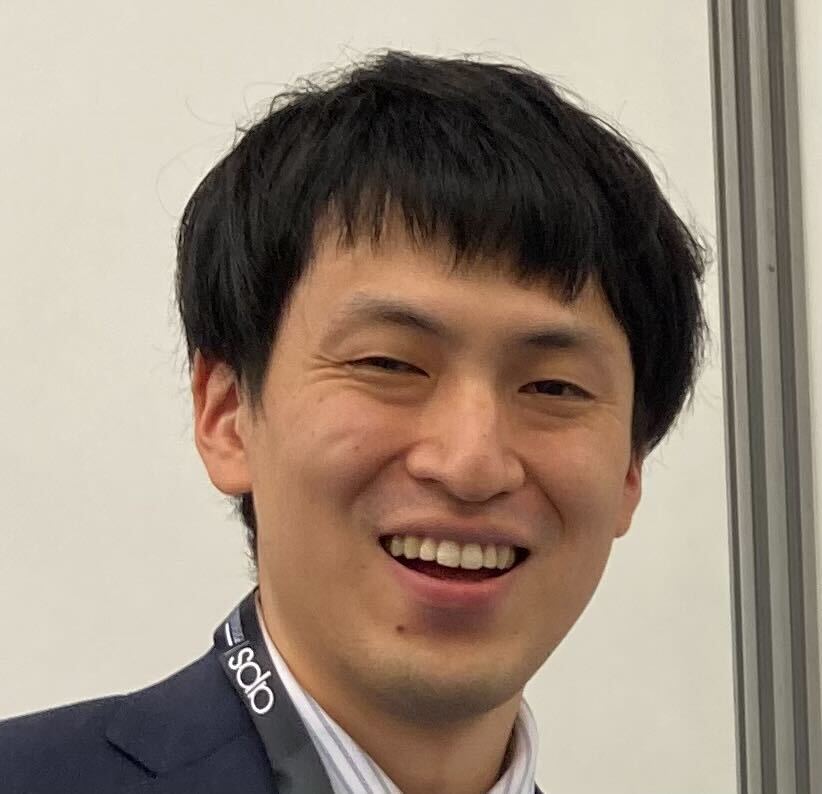
Taiki Oka
Postdoc | Tübingen
Taiki’s scientific background is in clinical psychology. His research focused on psychopathology, particularly the compulsivity–impulsivity dimension, investigated through social surveys and fMRI experiments. At DCP, he primarily uses real-time fMRI to examine how noradrenergic neural activity influences decision-making processes.
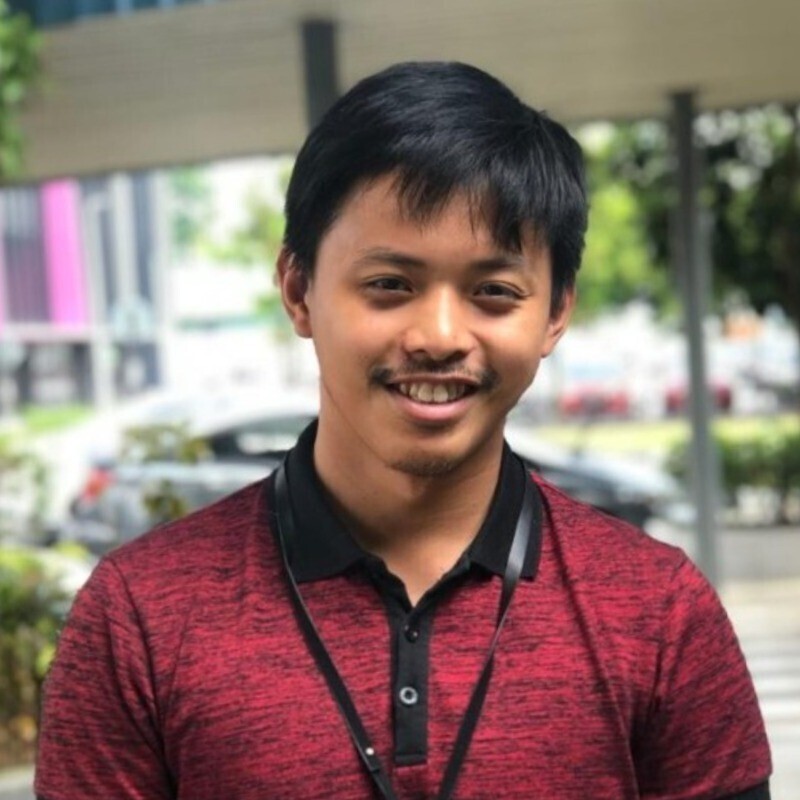
Amzar Muzani Maarof
Postdoc | Tübingen
Amzar is an experienced data scientist and software developer. He is currently working on LLM and AI projects for the laboratory which aims to improve access to clinical diagnoses and treatment and equitability in mental health treatment.
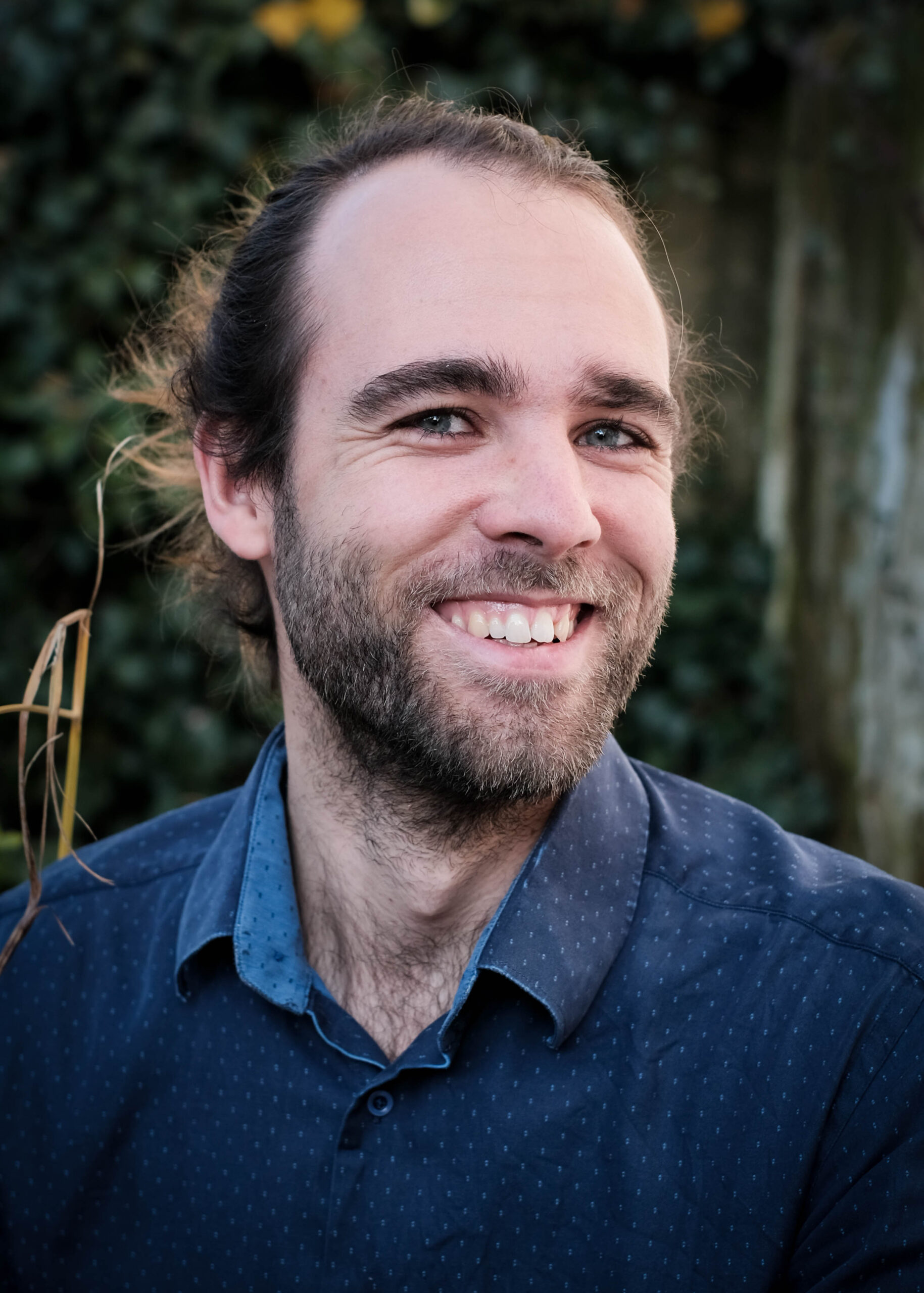
Jasper Bischofberger
Postdoc | Tübingen
Jasper has previously investigated how humans resolve approach-avoidance conflicts in social and non-social contexts using computational modelling and 7-Tesla functional magnetic resonance imaging (fMRI). In the DCP lab, he uses real-time fMRI to study the impact of endogenous dopamine fluctuations on decision-making processes.
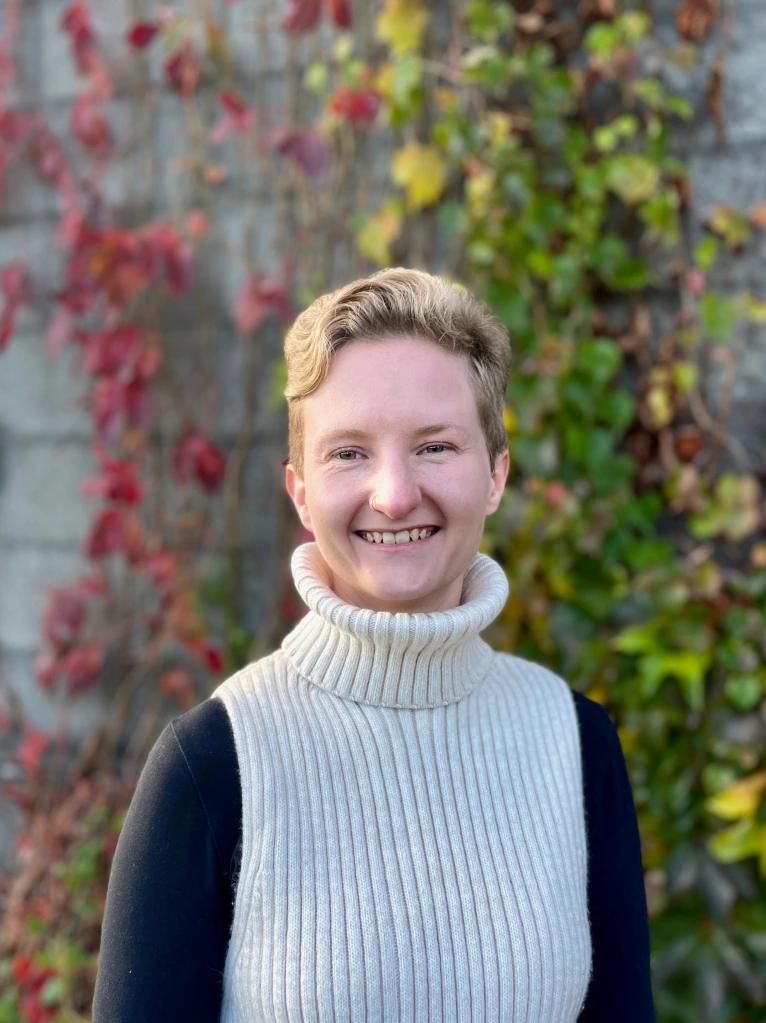
Vanessa Teckentrup
Postdoc | Dublin
Vanessa is interested in how individual behaviour and mental health fluctuate over time in states of disease and health. Within her NeuroAdapt fellowship, a MSCA COFUND funding her position at Trinity College Dublin, the DCP is co-hosting her project to understand when, how and for whom cognitive behavioural therapy in depression works. Vanessa is very interested in the scalability of research but also access to therapy. Thus, her current project uses remote smartphone-based assessments to follow individuals through eight weeks of an internet-based CBT programme for depression, where she hopes to learn more about what drives deteriorations or improvements in mental health on an individual level.
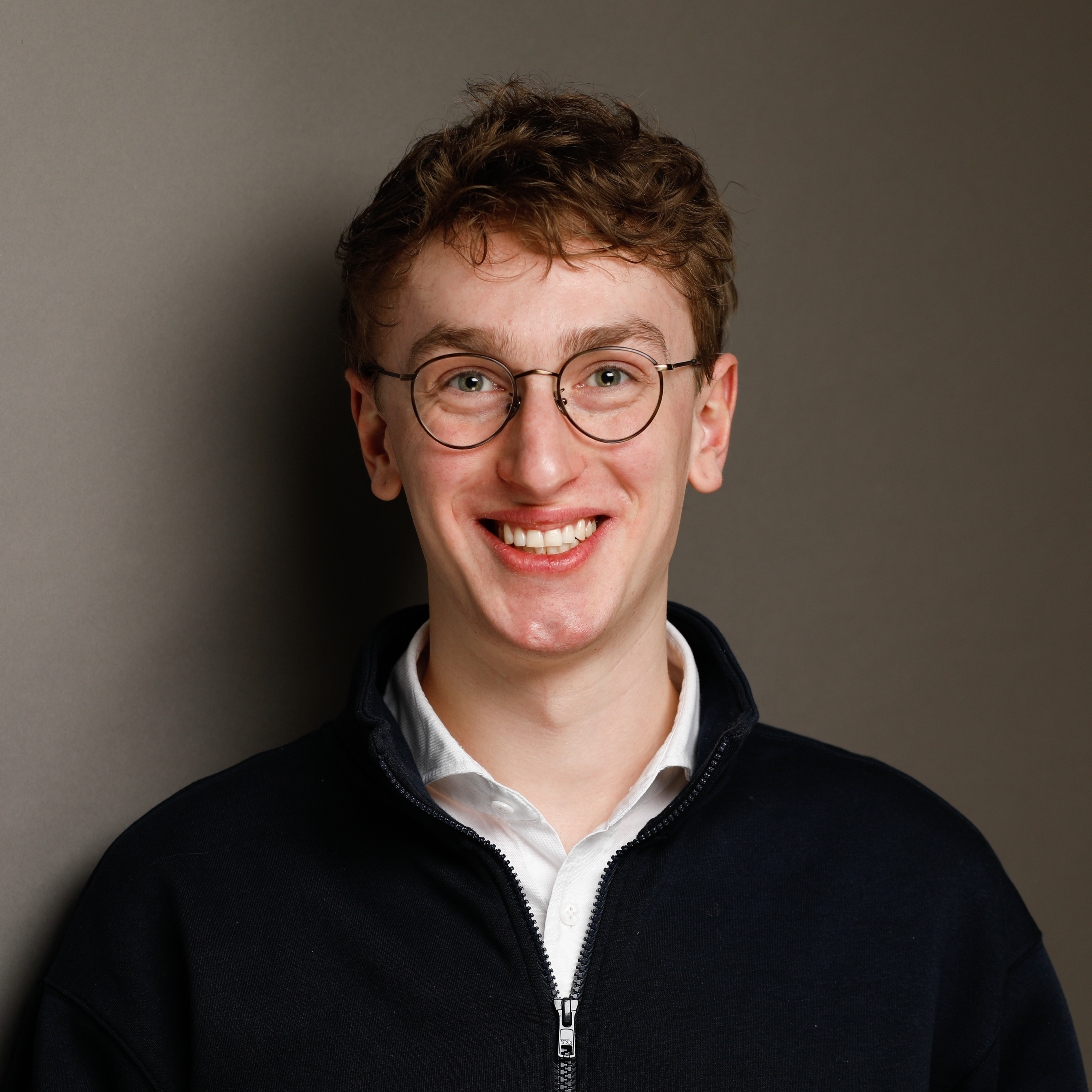
Lauritz Klosterkamp
Research Assistant | Tübingen
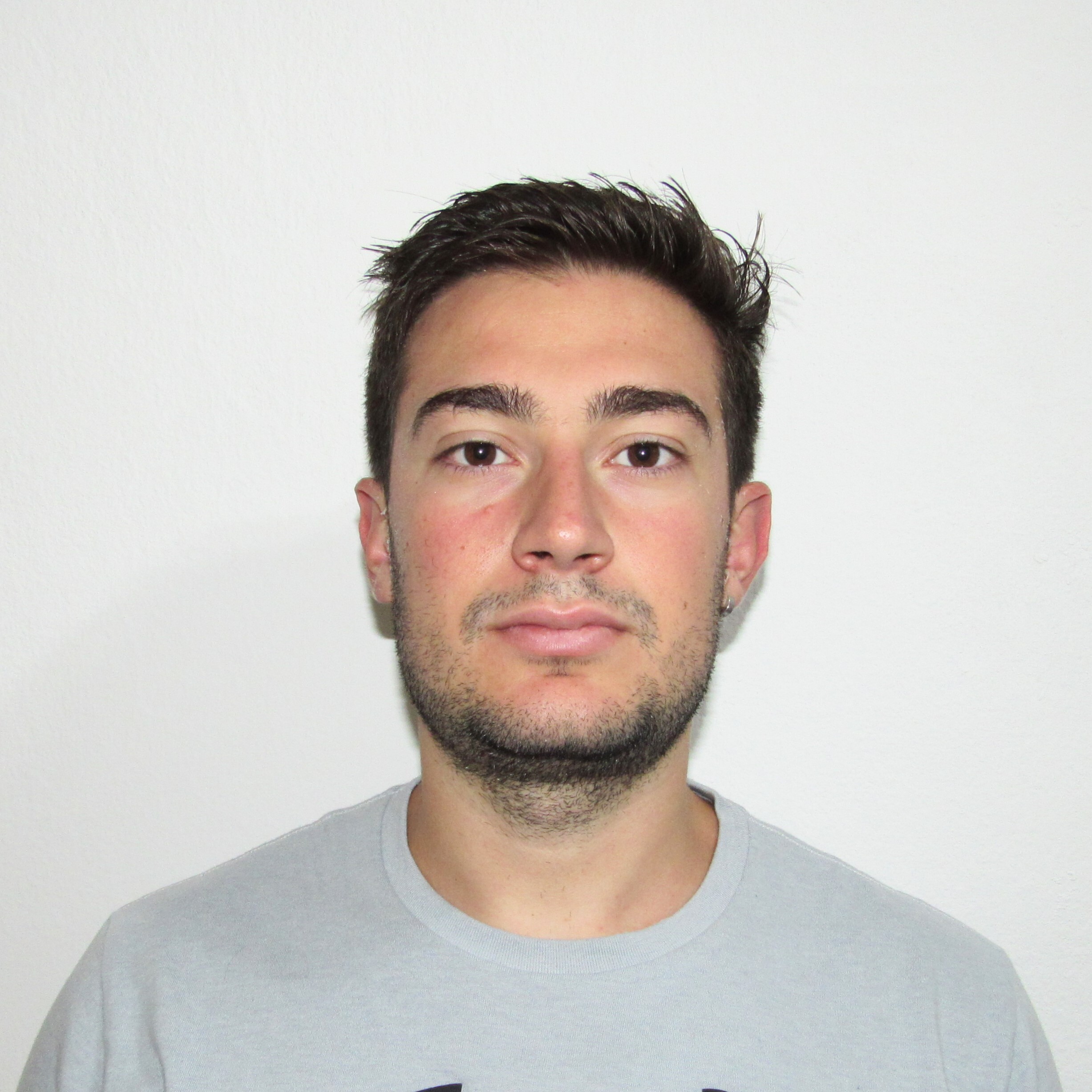
Bruno Corra
Intern | Tübingen
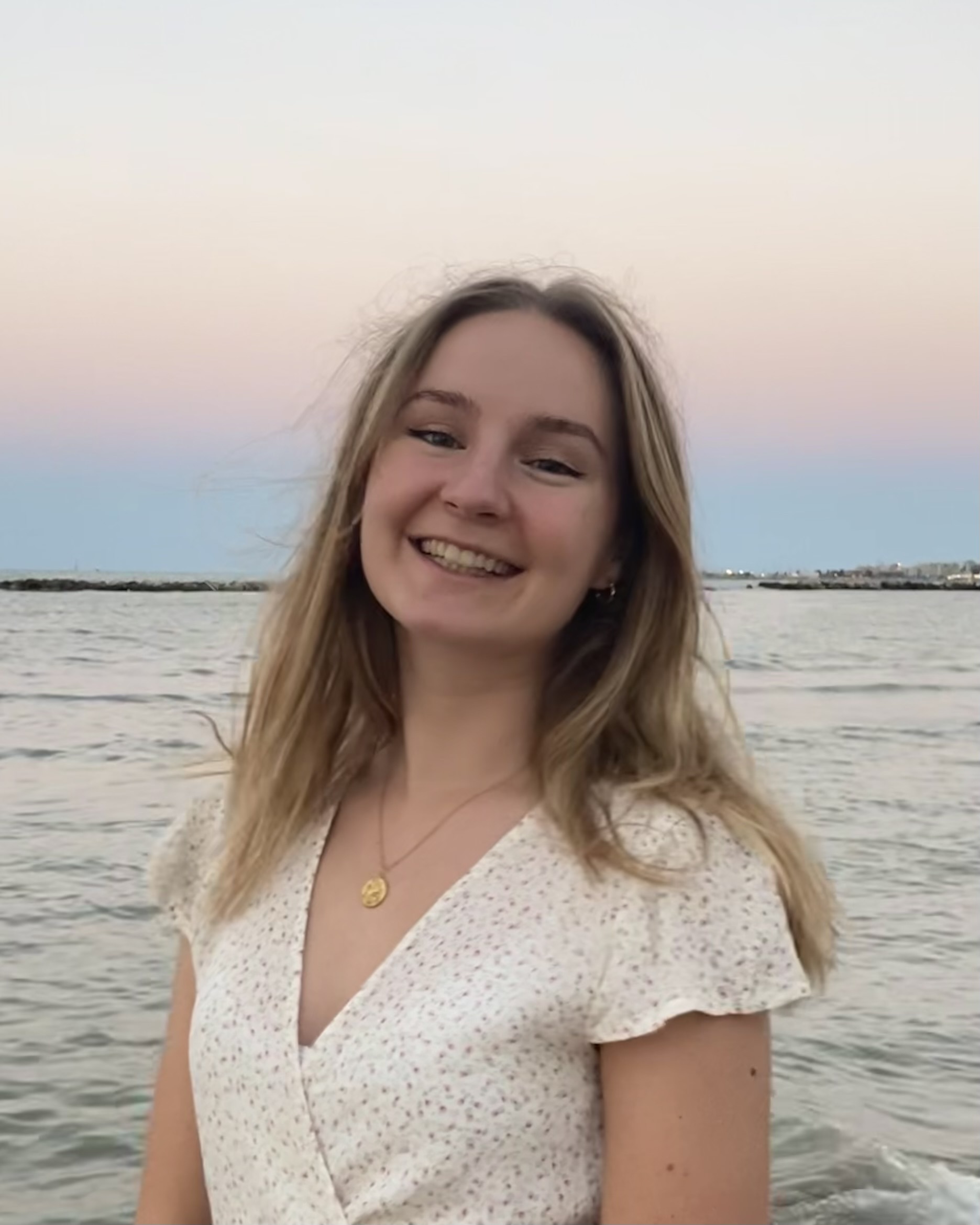
Nina Lutz
Research Assistant | Tübingen

Işılay Pirpiroğlu
Research Assistant | Tübingen
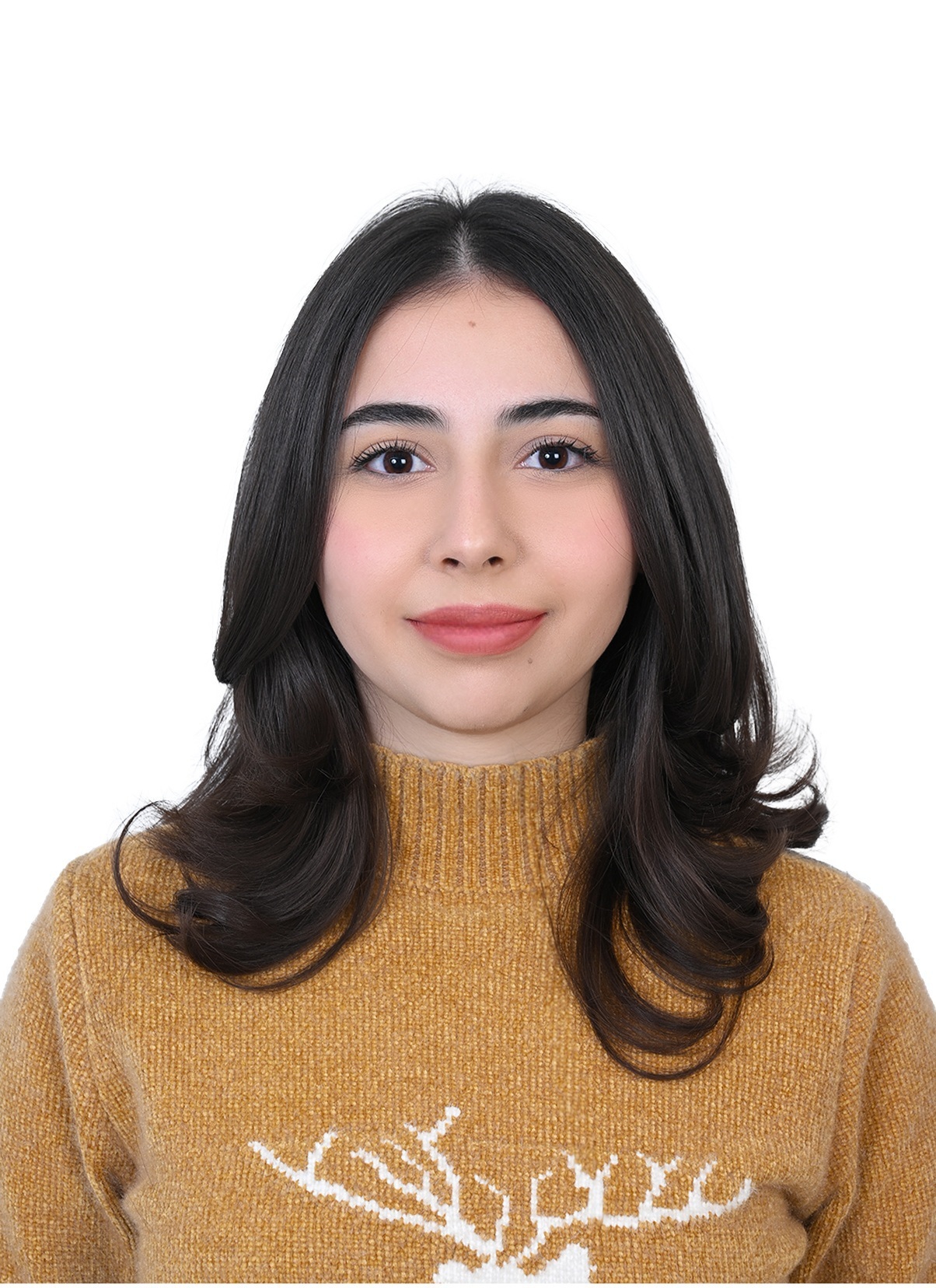
Jawa Habib
Intern | Tübingen
Alumni
- Nadescha Trudel — Postdoc
- Maddy Payne — PhD student
- Sam Hewitt — PhD student
- Karen Hoang — Clinical research coordinator
- Julia Siembiga — Master student
- Benjamin Chew — PhD student
- Aislinn Bowler — Research Assistant
- Stan Majewski — Rotation student
- Johanna Habicht — Research Assistant
- Sarah Bühler — Rotation student
- Vasilisa Skvortsova — Postdoc
- Charlotte Monnier — Master student
- Lucy Lai — Rotation student
- Magda Dubois — PhD student
- Peter Wolters — Student Research Assistant
- Marie Bellet — Student Research Assistant
- Ehsan Kakaei — Postdoc
- Frank Hezemans — Postdoc
- Layla Alsalih — Master student
- Magda del Rio — Postdoc
- Aleya Marzuki — Postdoc
- Meng Gao — Lab manager
- Ern Wong — PhD student